
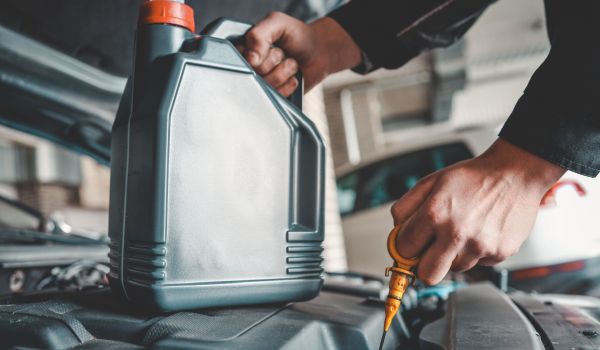
When you think about vehicle reliability, longevity, and performance, few things matter more than consistent fluid maintenance. Every major system in your car, truck, or SUV relies on specialized fluids for lubrication, cooling, hydraulic pressure, and protection against wear and corrosion. When these fluids degrade, become contaminated, or drop below proper levels, you risk reduced performance, expensive repairs, and even catastrophic component failure.
By staying proactive with fluid maintenance, you support your engine, transmission, braking system, drivetrain, cooling system, and steering components, ensuring your vehicle runs smoothly and efficiently for years to come.
Why Fluid Maintenance Matters for Overall Vehicle Performance
You depend on multiple interconnected systems every time you drive. These systems operate under high temperatures, heavy loads, and constant friction. Fluids act as the lifeblood of your vehicle by:
- Lubricating moving parts to prevent wear and friction
- Dissipating heat from high-temperature components
- Transferring hydraulic force for braking and steering
- Preventing corrosion, sludge buildup, and component damage
- Improving fuel efficiency, drivability, and engine responsiveness
When you neglect fluid maintenance, you allow contaminants, oxidation, and heat breakdown to compromise vital systems. Over time, this leads to poor shifting, overheating, brake fade, steering stiffness, and premature drivetrain wear.
Essential Vehicle Fluids and Their Service Intervals
Below is a detailed breakdown of the most important automotive fluids, how long they typically last, and how they support critical vehicle systems.
Engine Oil: Protecting the Heart of Your Vehicle
What It Does
Engine oil lubricates internal engine components such as pistons, crankshaft bearings, camshafts, and valve trains. It also removes heat, suspends contaminants, and prevents sludge buildup in the engine lubrication system.
Typical Service Interval
- Conventional oil: Every 3,000–5,000 miles
- Synthetic oil: Every 5,000–10,000 miles
- Severe driving conditions (towing, stop-and-go traffic, extreme weather): Shorter intervals recommended
Why It’s Critical
Without proper engine oil changes, friction increases, internal temperatures rise, and metal components wear rapidly. Poor lubrication can lead to reduced fuel economy, engine knocking, and eventual engine failure.
Transmission Fluid: Ensuring Smooth Shifting and Drivetrain Health
What It Does
Transmission fluid lubricates gears, clutches, and bearings while providing hydraulic pressure for gear engagement in automatic transmissions. In manual transmissions, it protects synchronizers and gear sets.
Typical Service Interval
- Automatic transmission fluid: Every 30,000–60,000 miles
- Manual transmission fluid: Every 30,000–50,000 miles
- Heavy towing or fleet use: More frequent service recommended
Why It’s Critical
Degraded transmission fluid leads to hard shifting, slipping gears, overheating, and accelerated wear of clutch packs and valve bodies. Routine transmission service prevents costly rebuilds and preserves drivetrain efficiency.
Coolant / Antifreeze: Regulating Engine Temperature
What It Does
Coolant circulates through the radiator, water pump, heater core, and engine block to regulate operating temperatures and prevent overheating or freezing.
Typical Service Interval
- Standard coolant: Every 2–3 years or 30,000–50,000 miles
- Extended-life coolant: Up to 5 years or 100,000 miles (depending on manufacturer recommendations)
Why It’s Critical
Old coolant loses corrosion inhibitors and heat-transfer efficiency. Neglecting coolant flush services can cause overheating, radiator clogging, water pump failure, and head gasket damage.
Brake Fluid: Powering Your Hydraulic Braking System
What It Does
Brake fluid transfers hydraulic force from the brake pedal to calipers and wheel cylinders, allowing precise stopping power and braking system responsiveness.
Typical Service Interval
- Every 2–3 years, regardless of mileage
- More frequently in humid climates or heavy-use vehicles
Why It’s Critical
Brake fluid absorbs moisture over time, reducing boiling point and causing brake fade. Contaminated fluid can corrode brake lines, ABS modules, and master cylinders, leading to costly brake system repairs.
Power Steering Fluid: Supporting Steering Precision and Control
What It Does
Power steering fluid provides hydraulic pressure to help you steer smoothly and maintain control at low speeds and during tight maneuvers.
Typical Service Interval
- Every 30,000–60,000 miles
- Sooner if you notice whining noises or stiff steering
Why It’s Critical
Dirty or low power steering fluid leads to steering pump wear, rack-and-pinion damage, and inconsistent steering feel. Proper fluid maintenance ensures responsive handling and safer vehicle control.
Differential and Gear Oil: Protecting the Axles and Drivetrain
What It Does
Differential fluid lubricates ring and pinion gears, bearings, and axle shafts in front, rear, or all-wheel-drive differentials.
Typical Service Interval
- Every 30,000–60,000 miles
- More frequently for towing, off-road driving, or heavy-duty trucks
Why It’s Critical
Worn gear oil increases friction and heat in the drivetrain, causing whining noises, gear wear, and differential failure. Proper differential service protects axle assemblies and supports smooth power transfer.
Transfer Case Fluid: Essential for AWD and 4x4 Systems
What It Does
Transfer case fluid lubricates gears and chains that distribute power between front and rear axles in four-wheel-drive and all-wheel-drive vehicles.
Typical Service Interval
- Every 30,000–60,000 miles
- Shorter intervals for off-road or heavy towing applications
Why It’s Critical
Neglecting transfer case service can lead to drivetrain binding, vibrations, and eventual failure of AWD/4x4 components.
Brake and Clutch Hydraulic Fluid (Manual Vehicles)
In manual transmission vehicles, clutch hydraulic systems often share brake fluid. Keeping this fluid clean ensures proper clutch engagement, smoother shifting, and consistent pedal feel.
Diesel Exhaust Fluid (DEF): Emissions System Support
What It Does
Diesel Exhaust Fluid reduces harmful emissions in diesel trucks and SUVs by supporting the selective catalytic reduction (SCR) system.
Typical Service Interval
- Refill as needed, typically every 3,000–10,000 miles depending on driving habits
Why It’s Critical
Low DEF levels can trigger warning lights, reduce engine performance, and even place your vehicle in limp mode to protect emissions components.
Windshield Washer Fluid: Visibility and Safety
While simple, washer fluid is vital for clear visibility in rain, snow, and dusty conditions. Keeping it topped off supports driver safety and proper windshield cleaning system operation.
How Fluid Maintenance Supports Every Major Vehicle System
When you maintain fluids on schedule, you protect the interconnected systems that keep your vehicle operating at peak efficiency:
- Engine System: Engine oil and coolant prevent overheating and internal wear.
- Transmission and Drivetrain: Transmission, differential, and transfer case fluids ensure smooth power delivery.
- Braking System: Brake fluid guarantees reliable stopping performance and ABS functionality.
- Steering System: Power steering fluid supports effortless handling and steering precision.
- Cooling System: Antifreeze maintains optimal engine temperatures and prevents corrosion.
- Hydraulic Systems: Fluids provide pressure needed for braking, clutch operation, and steering assist.
Each of these systems relies on clean, properly filled fluids to operate safely and efficiently. When fluid maintenance is ignored, small issues quickly escalate into major mechanical failures.
The Long-Term Benefits of Consistent Fluid Maintenance
When you prioritize fluid maintenance for your car, truck, or SUV, you gain measurable benefits:
- Extended engine and transmission lifespan
- Improved fuel efficiency and drivability
- Reduced risk of overheating and component failure
- Smoother shifting and braking performance
- Lower long-term repair costs
- Increased resale value and reliability
By following recommended service intervals and monitoring fluid condition, you ensure every mechanical and hydraulic system performs as designed.
Protect Your Investment with Proper Fluid Maintenance
Your vehicle depends on a network of specialized fluids to lubricate, cool, and power its most important components. From engine oil and transmission fluid to coolant, brake fluid, and gear oil, each plays a vital role in keeping your vehicle safe, efficient, and dependable.
When you stay consistent with fluid maintenance, you prevent wear, enhance performance, and extend the life of your car, truck, or SUV. In the long run, proactive fluid service at Lars Worldwide Automotive is one of the most cost-effective ways to protect your vehicle and maintain peak overall performance. Book with our team in Mokena today!