
When you drive your vehicle every day, you rely on the chassis and suspension system to deliver a smooth, controlled, and safe ride. No matter what you drive, these systems are engineered to balance comfort, handling, and durability. Understanding how they work and recognizing early warning signs of failure helps you protect your investment and stay safe on the road.
What the Chassis and Suspension System Is
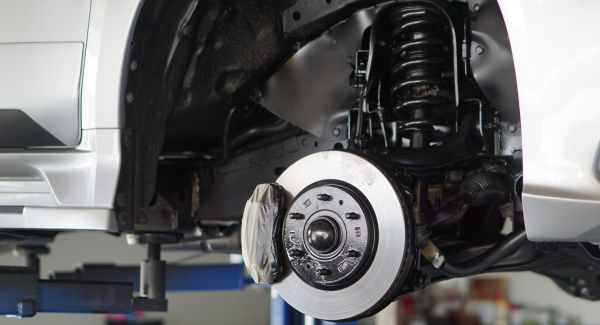
Your vehicle’s chassis is the structural foundation that supports the body, engine, and all major components. Think of it as the frame that holds everything together. The suspension system attaches to this structure and includes parts like shocks, struts, control arms, springs, and bushings. Together, these components absorb road impacts and keep your tires firmly planted on the pavement.
Many modern vehicles use independent suspension setups designed to improve steering response and ride quality. Whether you drive a sedan, SUV, truck, or crossover, the chassis and suspension are tuned to match your vehicle’s weight, drivetrain, and intended driving conditions.
How the Chassis and Suspension Support Overall Vehicle Functionality
Your chassis and suspension system play a vital role in how your vehicle drives, handles, and ages over time. When these components are working correctly, you experience predictable steering, even tire wear, and a smooth ride across different road surfaces.
Ride Comfort and Stability
You depend on shocks and struts to absorb bumps, potholes, and road imperfections. This allows you to enjoy a composed and comfortable ride during daily commutes and long trips, regardless of the type of vehicle you drive.
Steering and Handling Precision
Control arms, ball joints, and bushings keep your wheels aligned and responsive. This ensures you feel in control when cornering or braking suddenly. If these parts begin to wear, your steering may feel loose or unpredictable, reducing driver confidence and safety.
Tire Contact and Traction
Your suspension ensures your tires stay evenly pressed against the road. Proper tire contact improves traction, handling, and braking performance while also helping prevent uneven tire wear that can lead to early replacement.
Structural Integrity and Safety
The chassis distributes weight and absorbs impact forces during normal driving and in the event of a collision. A healthy chassis helps protect critical components and maintains the structural design intended to enhance passenger safety.
Early Signs of Chassis and Suspension Failure
Catching issues early can prevent larger, more expensive repairs later. As you drive, pay attention to how your vehicle feels and sounds.
Unusual Noises Over Bumps
If you hear clunking, knocking, or rattling when driving over bumps, worn bushings, loose control arms, or failing struts may be the cause. These noises often appear first in higher-mileage vehicles or those frequently driven on rough roads.
Uneven or Rapid Tire Wear
When your suspension components wear out, wheel alignment can shift. You may notice one side of the tire tread wearing faster than the other. This is a common early warning sign that your suspension geometry is no longer holding proper alignment.
Excessive Bouncing or Nose Dives
If your vehicle continues to bounce after hitting a bump or dips forward noticeably during braking, your shocks or struts may be worn. This reduces braking stability and overall ride control, especially in heavier vehicles.
Steering Pull or Wandering
You should be able to keep your vehicle straight with minimal steering correction. If your car drifts or feels unstable at highway speeds, worn suspension joints or misaligned chassis components may be affecting handling.
Vibrations in the Steering Wheel
A vibration you feel through the steering wheel can indicate worn suspension bushings, bent components, or uneven tire contact. This symptom often worsens as speeds increase.
Why Prompt Repair Matters for Your Vehicle
When you delay chassis and suspension repair, you risk more than just ride comfort. Worn components place extra stress on neighboring parts, leading to a chain reaction of damage that can affect steering systems, brakes, and tires.
By addressing early warning signs and scheduling timely inspections, you maintain safe handling, protect structural integrity, and extend the life of your vehicle. Ultimately, proactive chassis and suspension repair keeps your daily drive comfortable, controlled, and dependable for miles to come.